June 15, 2026 — By Tim Treadgold — Business News.com.au
Watch What You Pay — AI Is Watching Too
Customers can gain from personalised pricing, but the real outcome hinges on why and how retailers deploy AI-powered price strategies.
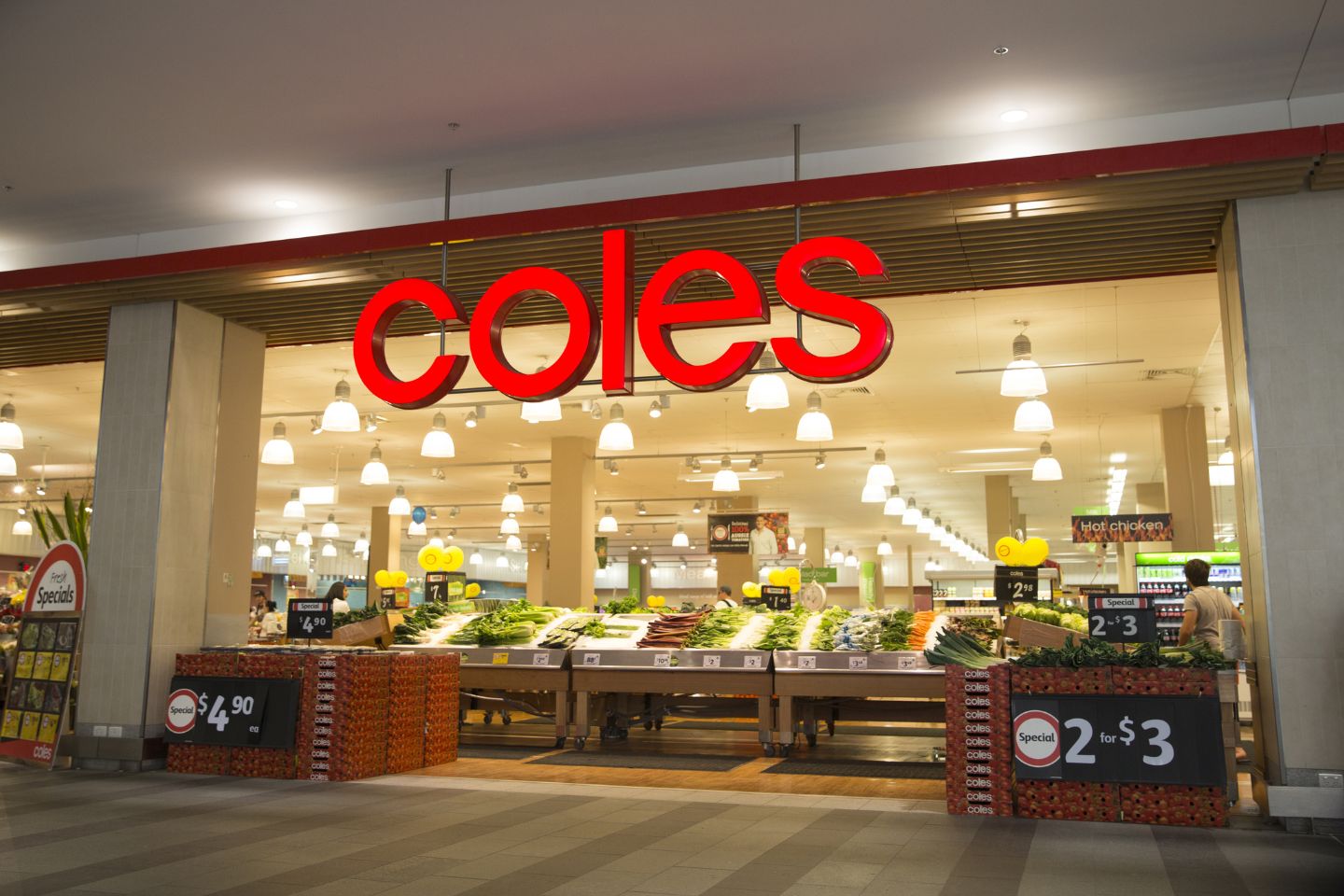
Walk into a store or open your favorite retail app and you may be greeted by a price that’s been quietly tailored to you. That’s the blunt new reality: AI-driven personalised pricing is moving out of theory and into everyday commerce. For shoppers that can mean bargains they didn’t expect — and for others, quietly higher bills. The key question isn't whether personalised pricing works; it's who benefits when it does.
The core claim in Tim Treadgold’s commentary is straightforward: personalised pricing can deliver value to customers, but only if retailers are motivated by fairness, loyalty and long-term relationships rather than short-term margin extraction. Retailers now have tools that use browsing history, purchase patterns, device signals and local demand to set dynamic prices at scale. That capability alone doesn't determine outcomes — corporate incentives and governance do.
This sits at the intersection of economics, data ethics and customer experience. Retail has tested dynamic pricing for decades (think surge pricing and time-limited discounts), but modern AI scales complexity and opacity: models can decide minute-by-minute pricing for millions of customers. Regulators, consumer advocates and brands are all trying to catch up with what this means for trust and competition.
What’s Really Happening
Retailers are deploying machine learning systems that ingest large volumes of customer and market data to predict willingness to pay and optimise revenue. In practice that can mean personalised coupons, targeted discounts or—less attractively—differential pricing based on inferred income or shopping urgency. When firms prioritise lifetime value and transparent incentives, personalised pricing can surface deals to shoppers who will benefit. When the priority is short-term profit, customers risk being segmented into groups that pay more.
Why This Is Important
The stakes are practical and immediate. Consumers could find better offers and fewer wasted promotions, improving their purchasing power. But unchecked, AI-driven pricing can erode trust, reduce price transparency and disproportionately impact vulnerable groups who may systematically receive worse offers. For businesses, misusing personalised pricing jeopardises brand equity and invites regulatory scrutiny — while doing it well can be a competitive advantage in customer retention and margin optimisation.
Bigger Picture
We’re watching a broader shift: data and algorithmic decision-making are reshaping basic market mechanisms. The next few years will show whether the industry adopts guardrails — clear opt-outs, explainable pricing, auditability — or treats pricing algorithms as a secret weapon. Expect policy responses, industry codes and consumer tools to emerge as part of the push-pull between innovation and protection.
Key Insights
Personalised pricing is a neutral tool. Its value to consumers depends on retailer intent, transparency and the design of incentives. Without governance, the technology risks harming trust and fairness; with governance, it can improve relevance and reduce wasted discounts.
- AI can tailor prices in ways that help or harm customers — motivation matters more than capability.
- Transparency and consumer controls are essential to maintain trust in personalised pricing.
- Regulatory and industry responses will shape how widely and aggressively personalised pricing is used.
Personalised pricing will reshape everyday purchases — for better or worse. The practical task for business leaders is to pair pricing intelligence with clear customer-first rules: make benefits visible, offer meaningful choices, and measure success by retained trust as much as by short-term margin.

July 16, 2026
magicpin’s Vera Goes Global: Real‑Time AI for Restaurants and Retailers Expands to Six Markets
magicpin has rolled out Vera, its AI assistant that surfaced during India’s LPG crisis, to six international markets — a move with clear operational implications for merchants and a signal of AI-driven service expansion in retail tech.
July 15, 2026
Taller Ticket Barriers Are Coming to London Stations — What That Means for Fare Evasion
Transport operators are preparing taller gates, new gateline hardware and AI-driven “anti-tailgate” systems to reduce fare dodging — and government cash is backing the rollout.

July 15, 2026
Why Erste Group Upgraded Arista Networks: AI Demand Is Reshaping Data Center Networking
Erste Group raised its rating on Arista Networks as accelerating AI workloads lift demand for high-performance networking gear — and that shift matters to investors and infrastructure builders alike.