April 22, 2026 — By Business Line
Dunzo’s Kabeer Biswas Raises $11M for New AI Startup Backed by Peak XV, Blume, and CRED
A former Dunzo leader is building automation tools aimed at putting decision-making and everyday coordination on autopilot — and top investors are paying attention.
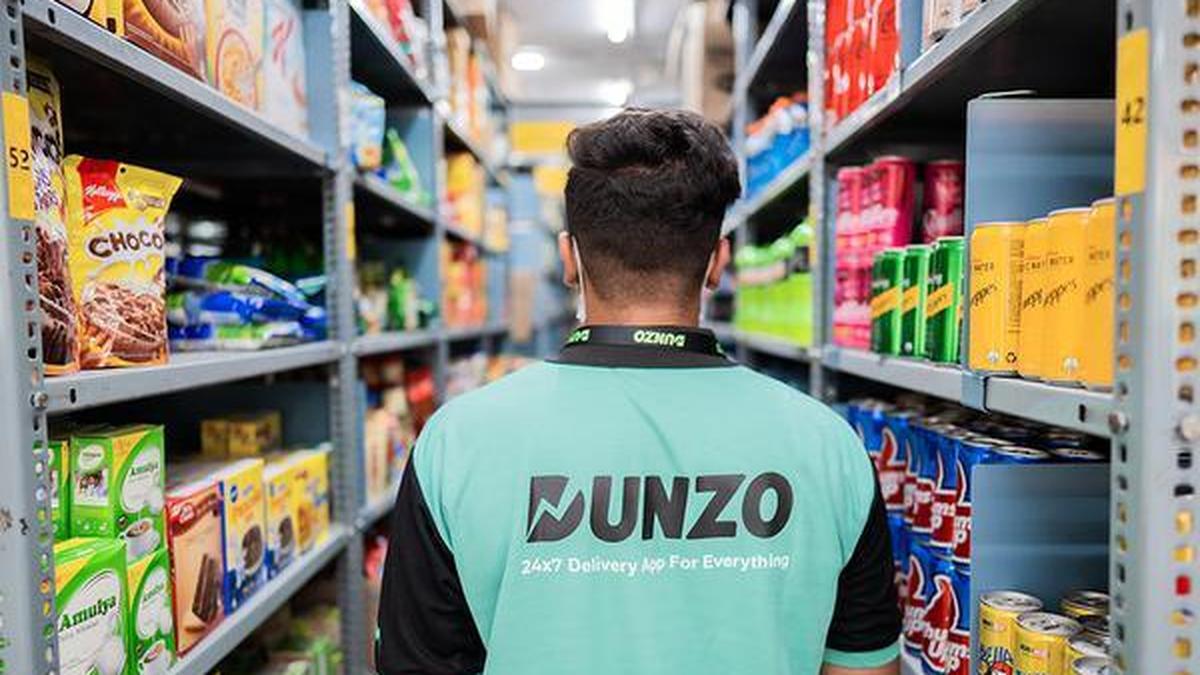
Imagine the mundane decisions that eat up your day — scheduling, routing, small approvals — quietly handled by reliable software so you can focus on higher-value work. That’s the promise behind the new AI startup led by Kabeer Biswas, and the recent $11 million seed round shows investors believe this is a real problem worth solving.
The core news: Biswas, known for his role at quick-commerce company Dunzo, has raised $11 million from investors including Peak XV, Blume, and CRED to back a startup building tools to automate decision-making, coordination and access to everyday services, according to the company’s LinkedIn profile and reporting by Business Line.
This isn’t just another AI toy — it sits at the intersection of workflow automation, intelligent orchestration, and consumer-facing service access. Companies that operate on tight logistics cycles and repeated micro-decisions (think delivery platforms, local services, ops teams) are prime targets for measurable gains from this kind of automation.
What’s Really Happening
Biswas is taking operational experience from Dunzo and translating it into a product aimed at reducing repetitive decision load. The startup appears to be building systems that can both decide and coordinate actions — for example, choosing optimal routes, allocating tasks, or managing appointment and service access — without human intervention for every step. The funding round led by well-known early-stage investors signals confidence in the team and in the market need: many businesses still rely on manual processes or brittle rule-based systems for these tasks, and better AI-driven orchestration can improve throughput, reduce cost, and increase consistency.
Why This Is Important
For businesses, automating micro-decisions offers direct operational leverage. Fewer manual handoffs mean faster response times and fewer human errors, which translates into lower costs and better customer experiences. For developers and product teams, it creates demand for robust orchestration primitives — APIs, observability, and safe decision-making models that can be audited and tuned. For users, the upside is smoother access to services (quicker deliveries, fewer scheduling conflicts), but it also raises questions about transparency, error handling, and when to escalate to human judgment.
Bigger Picture
This raise is another sign that investors are moving past proof-of-concept AI products and toward tooling that embeds intelligence into operational workflows. The trend favors startups that can combine domain expertise (logistics, local services) with systems engineering and responsible AI practices. Over time, we should expect more offerings that market themselves not just as "AI" but as reliable operational layers — the plumbing that lets businesses scale decisions safely.
Key Insights
The funding and founder pedigree underline a pragmatic shift: investors are backing AI that reduces everyday operational friction rather than purely consumer-facing novelty apps. Success will hinge on delivering measurable efficiencies and predictable behavior in messy real-world environments.
- Operational automation — not flashy consumer features — is where measurable ROI is emerging for AI startups.
- Founders with domain experience (like from Dunzo) have an edge when building systems that must perform reliably under real-world constraints.
- Adoption will depend on tooling for observability, human-in-the-loop escalation, and transparent decision policies.
As automation moves from scripts and rules to context-aware decision systems, the winners will be teams that blend operational know-how, engineering rigor, and clear guardrails for AI behavior. This raise is a small but telling sign that the market values that combination — and that the day-to-day work of running services may quietly become much more automated.

July 16, 2026
magicpin’s Vera Goes Global: Real‑Time AI for Restaurants and Retailers Expands to Six Markets
magicpin has rolled out Vera, its AI assistant that surfaced during India’s LPG crisis, to six international markets — a move with clear operational implications for merchants and a signal of AI-driven service expansion in retail tech.
July 15, 2026
Taller Ticket Barriers Are Coming to London Stations — What That Means for Fare Evasion
Transport operators are preparing taller gates, new gateline hardware and AI-driven “anti-tailgate” systems to reduce fare dodging — and government cash is backing the rollout.

July 15, 2026
Why Erste Group Upgraded Arista Networks: AI Demand Is Reshaping Data Center Networking
Erste Group raised its rating on Arista Networks as accelerating AI workloads lift demand for high-performance networking gear — and that shift matters to investors and infrastructure builders alike.