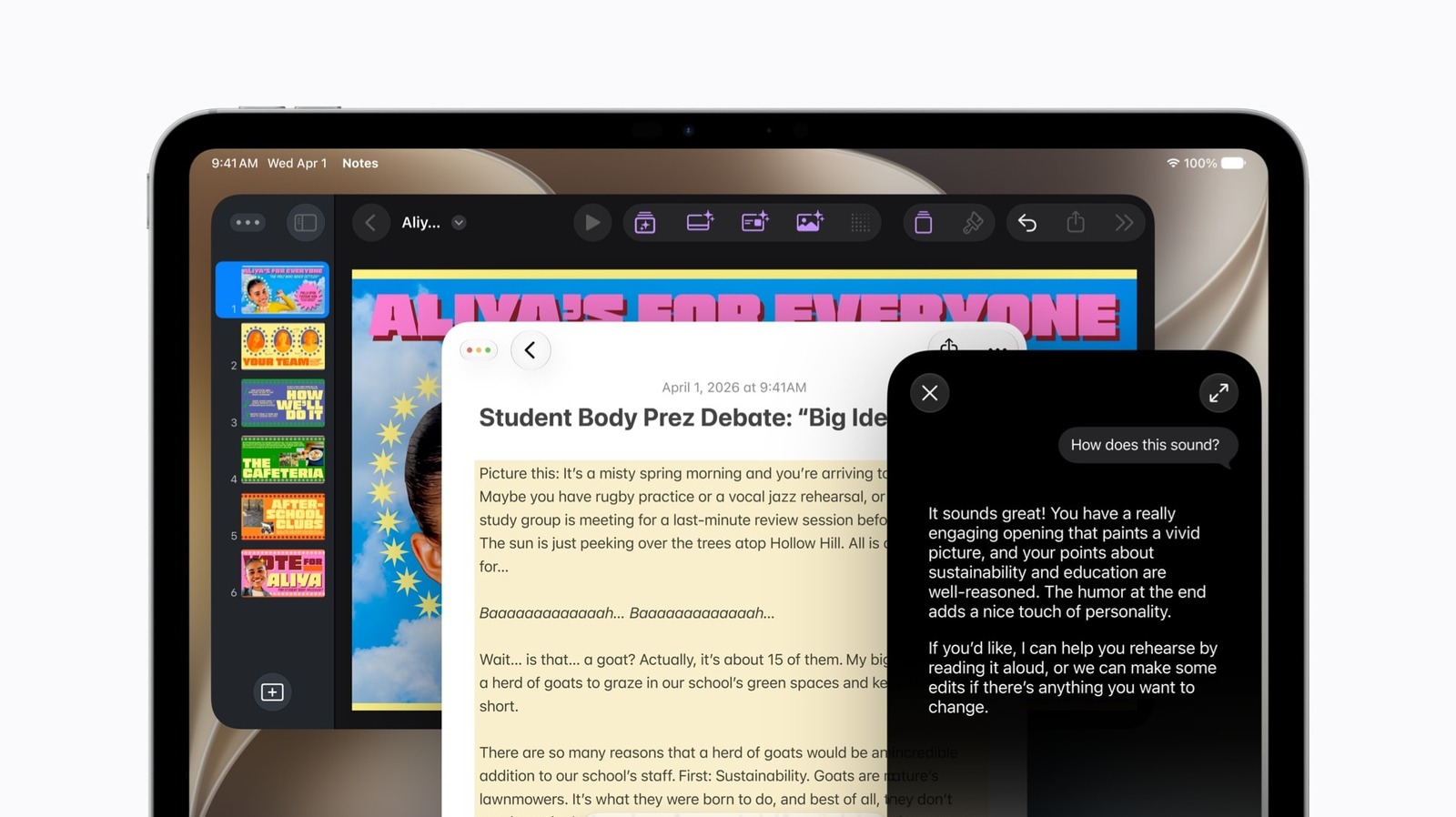
The rollout of Apple's next-generation Siri for iPhone and iPad — slated to arrive with iOS 27 and iPadOS 27 — will not arrive on schedule in the European Union, Apple confirmed, with the company saying the launch is delayed indefinitely in the region. The announcement also means users in China will face an extended wait for the updated voice assistant.
Apple had positioned the new Siri as a marquee software upgrade for its 2026 releases, promising more conversational capabilities and deeper integration across apps and services. With the delay, those improvements will be unavailable to EU users for the foreseeable future, and customers in China will likewise see a later release than initially expected.
Apple's global software rollouts have previously been staggered by local requirements and logistical considerations. While the company has not publicly detailed the specific reasons for the EU delay, staggered launches are increasingly common as tech firms navigate differing regional rules and operational complexities.
The immediate impact is straightforward: EU iPhone and iPad owners will miss out on Siri’s latest features when iOS 27 begins rolling out elsewhere. That could affect developer adoption and user expectations in a major market, and it raises questions about how Apple will align feature parity across regions going forward.
What this means for users and developers
For consumers, the delay means waiting longer for promised improvements to Siri's intelligence and usability. For developers, any app integrations that rely on the new Siri functionality may need to accommodate inconsistent regional availability, complicating testing and release plans.
Where things go from here
Apple will need to communicate a clearer timeline to reassure affected users and partners. Until then, EU and Chinese customers should expect a staggered experience compared with users in regions where iOS 27 and the updated Siri are available on schedule.