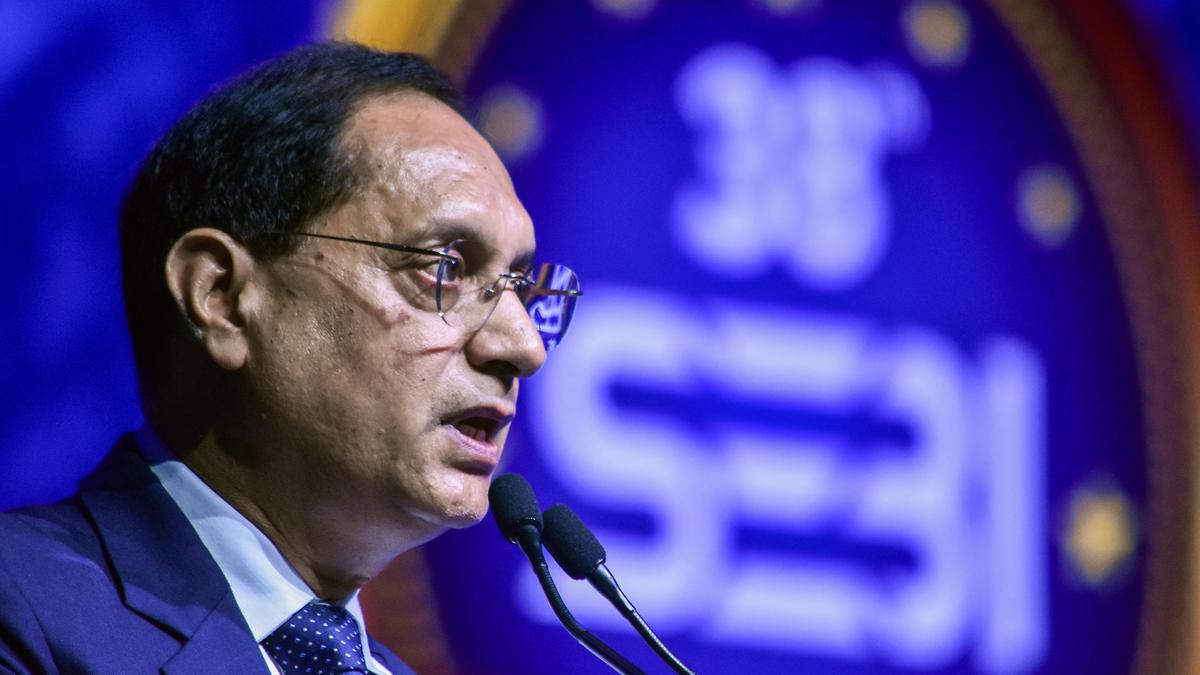
India's securities regulator is drafting regulatory guardrails for artificial intelligence-driven trading as the technology gains traction across financial markets and cyber risks mount, SEBI secretary Tuhin Kanta Pandey said. The move signals a proactive shift by the regulator to address both innovation and the systemic vulnerabilities that AI can introduce.
Pandey told reporters that AI is increasingly used by market participants to automate back-office processes and extend investor outreach in multiple languages, improving efficiency and access. At the same time, he warned, the same capabilities amplify vectors for manipulation, operational errors, and cyberattacks that could undermine market integrity if left unchecked.
Regulators worldwide are wrestling with similar trade-offs: fostering innovation in algorithmic and AI-driven trading while preventing flash events, model failures, and adversarial exploits. SEBI's initiative follows a broader industry recognition that traditional rules for algorithmic trading need updating to cover machine learning models, data pipelines, and third-party AI services.
For market participants, clearer rules from SEBI would bring compliance certainty but also add oversight requirements for model governance, data provenance, and resilience against cyber intrusion. For retail investors, the framework could reduce the risk of sudden market dislocations linked to faulty or malicious AI — but may also mean slower product rollouts as firms adapt.
What SEBI is likely to focus on
While Pandey did not detail specific measures, industry experts expect SEBI to emphasize model transparency, audit trails, stress-testing of automated strategies, and strengthened cybersecurity standards for trading infrastructure and vendor relationships.
Global context and coordination
Any effective regime will likely require coordination with banking, payments and data-protection authorities, since AI-driven strategies depend on shared data flows and cloud services that cross regulatory boundaries. SEBI’s framework could serve as a template for other emerging-market regulators balancing growth and risk in digital finance.